

Category
Food Boxes
Premium custom packaging products crafted for British brands.
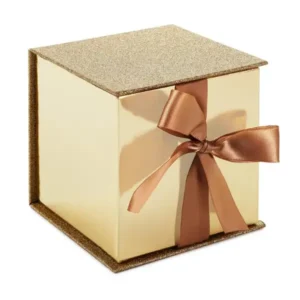
Glitter Boxes for Gifts
Customize
Custom Molded Pulp Packaging
Customize
Custom Wax Seafood Boxes
Customize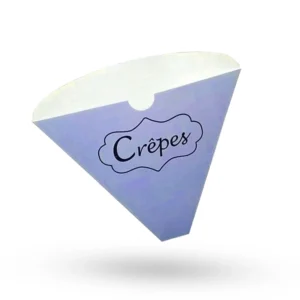
Custom Crepe Packaging
Customize
Custom 2 Piece Truffle Boxes
Customize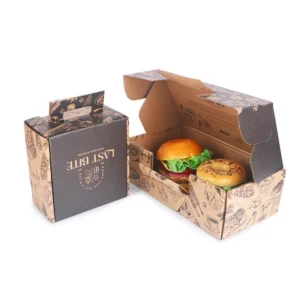
Custom Burger Boxes
Customize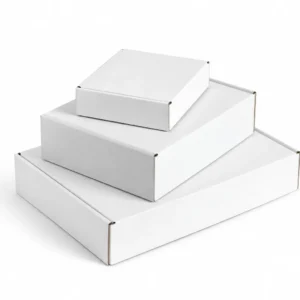
Custom Plain Boxes
Customize
Mini Burger Boxes
Customize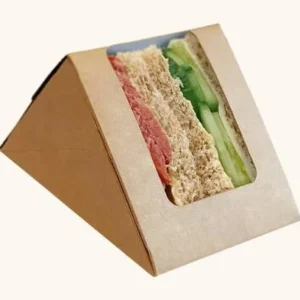
Sandwich Boxes
Customize
Custom Chinese Food Boxes
Customize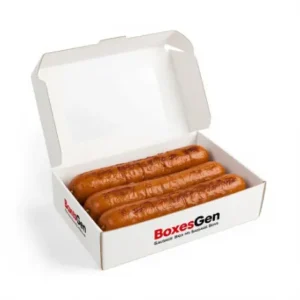
Sausage Boxes
Customize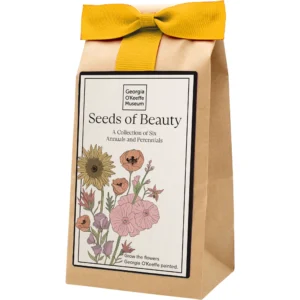
Flower Seed Packaging
Customize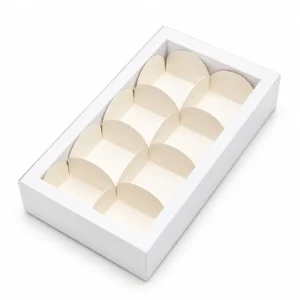
Ladoo Boxes Empty
Customize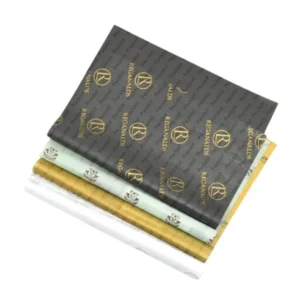
Custom Butter Paper
Customize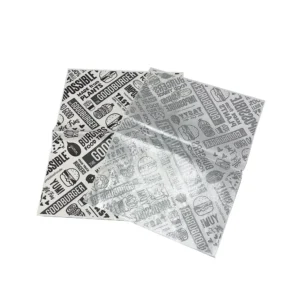
Custom Wax Paper
Customize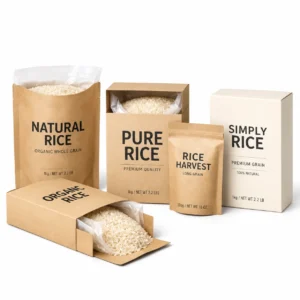
Rice Paper Packaging
Customize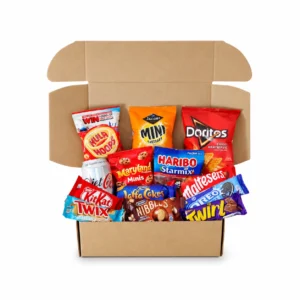
Custom Snacks Boxes
Customize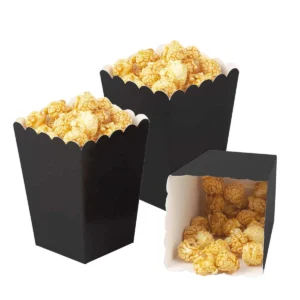
Custom Popcorn Boxes
Customize
Frozen Food Packaging
Customize
Custom Candy Boxes
Customize
Custom Pet Food Packaging
Customize
Custom Soup Boxes
Customize
Vegetable Packaging Boxes
Customize
Chicken Packaging
Customize
Chicken Nugget Boxes
Customize
Chinese takeout boxes
Customize
Custom Tofu Boxes
Customize
Custom Noodle Boxes
Customize
Custom Sushi Boxes
Customize
Custom Parchment Paper
Customize
Jar Packaging
Customize
Dumpling Packaging
Customize
Meat Packaging
Customize
Lollipop Packaging
Customize
Custom Chips Bags
Customize
Seaweed Packaging
Customize
Sandwich Wrap Paper
Customize
Personalized Chip Bags
Customize
Custom Empanada Boxes
Customize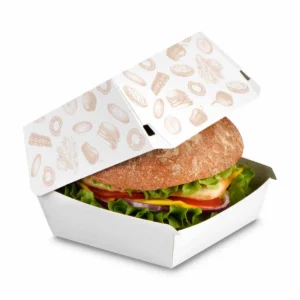
Hamburger Patty Boxes
Customize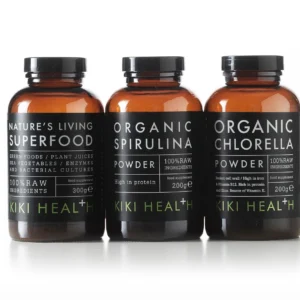
Food Supplement Packaging
Customize
Chopstick Packaging
Customize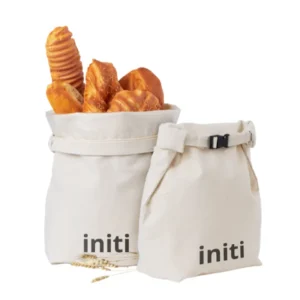
Custom Bread Bags
Customize
Custom Benecreat Boxes
Customize
Custom Spaghetti Boxes
Customize
Custom Stevia Packaging
Customize
Custom Hot Dog Boxes
Customize
Custom Pasta Boxes
Customize
Jam Boxes
Customize
Biodegradable Flexible Packaging
Customize
Honey Straw Boxes
Customize
1 lb Candy Boxes
Customize
Custom Lasagna Boxes
Customize
Custom Nachos Boxes
Customize
Custom Taco Boxes
Customize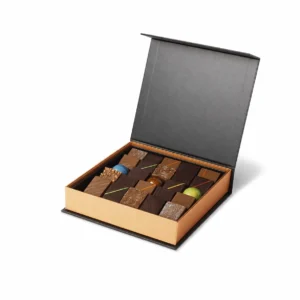
Custom Fudge Boxes
Customize
Ice Cream Cups
Customize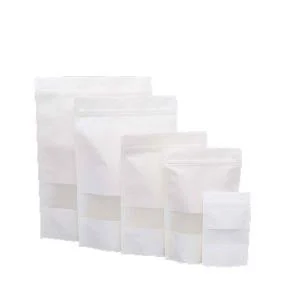
Stand Up Food Pouches
Customize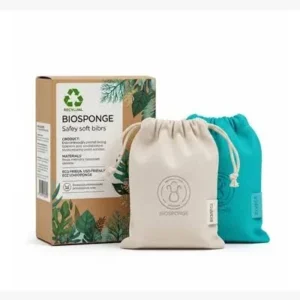
Biodegradable Food Packaging
Customize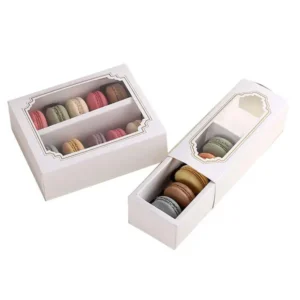
Custom Macaron Boxes
Customize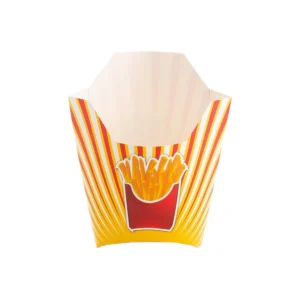
French Fry Boxes
Customize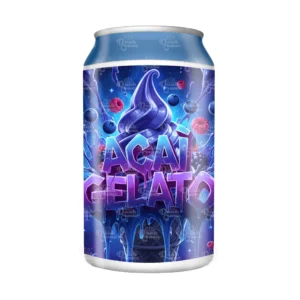
Custom Acai Packaging
Customize
Shrimp Boxes
Customize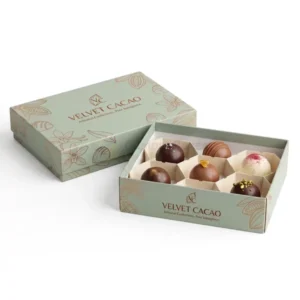
Custom Truffle Boxes
Customize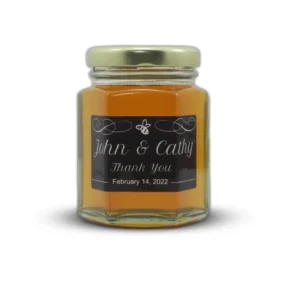
Honey Jar Packaging
Customize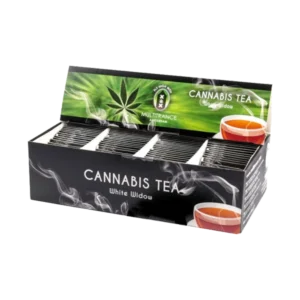
Custom Tea Boxes
Customize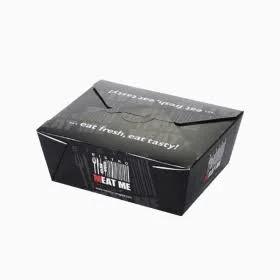
Custom Fast food Packaging
Customize
Croissant Packaging Box
Customize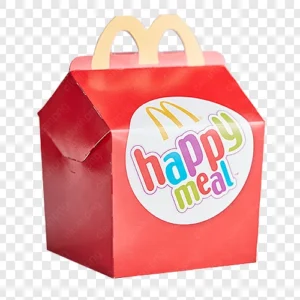
Happy Meal Boxes
Customize
Japanese Cheesecake Packaging
Customize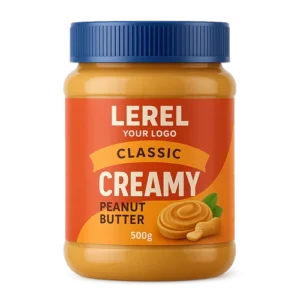
Peanut Butter Packaging
Customize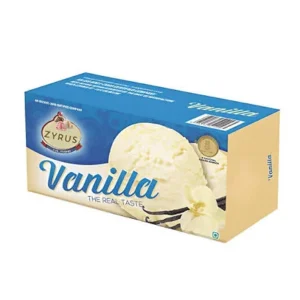
Ice Cream Packaging
Customize
Custom Treat Bags
Customize
Custom Greaseproof Paper
Customize
Seafood Packaging
Customize
Custom Bagel Boxes
Customize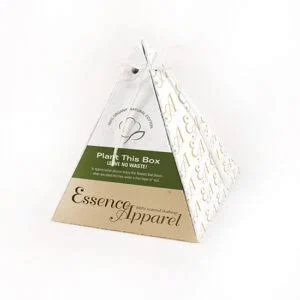
Seed Paper Boxes
Customize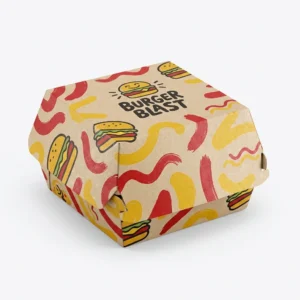
Custom Restaurant Food Packaging
Customize
Reusable Baby Food Pouches
Customize
Custom Bag Toppers
Customize
Movie Theater Candy Boxes
Customize
Cracker Packaging Boxes
Customize
Roasted Nuts Packaging
Customize
Baklava Packaging Boxes
CustomizeCustom Food Boxes for UK Food Businesses
Package your food products in boxes designed around your portions, presentation and brand.
Any Custom Boxes creates custom food boxes for independent bakeries, cafés, restaurants, takeaway businesses, food producers, online retailers and growing UK brands. Your packaging can be tailored around the dimensions, weight and format of your product instead of relying on a standard box that is too large, too tight or unsuitable for its intended use.
Choose your preferred box structure, material, dimensions and printed artwork. Depending on the product, your packaging can also include windows, sleeves, inserts, dividers, ventilation features and areas for food information.
Whether you need cartons for a retail food range, printed takeaway boxes or premium packaging for a gift collection, we can help you develop a practical specification around your product and sales channel.
Request a quote for your custom food packaging today.
Food Packaging Designed Around Your Product
Different foods place different demands on their packaging.
A dry cereal product does not require the same format as a freshly baked cake. A takeaway burger may need ventilation and grease resistance, while confectionery packaging may focus more heavily on presentation and product separation.
Custom sizing gives you greater control over:
- Portion fit
- Product movement
- Empty space
- Grease and moisture requirements
- Ventilation
- Product presentation
- Label space
- Packing efficiency
- Retail display
- Delivery dimensions
- Storage requirements
- Customer experience
When requesting a quotation, provide the dimensions of the food as it will be packed. Include any wrappers, trays, liners, cups, pouches, containers, inserts or protective materials that will sit inside the finished box.
You should also explain whether the box will touch the food directly or act as secondary packaging around a separately wrapped or contained product.
Custom Packaging for Different Food Products
Food boxes can be developed for products sold through retail, takeaway, hospitality and e-commerce channels.
Bakery Boxes
Custom bakery packaging can be created for:
- Cakes
- Cupcakes
- Brownies
- Cookies
- Pastries
- Doughnuts
- Pies
- Tarts
- Bread
- Muffins
- Macarons
- Dessert collections
Bakery products can vary in height, weight and decoration. The box should provide enough clearance around icing, toppings and delicate edges while keeping the product stable during handling.
Cake boxes may require a separate board or base beneath the product. Cupcake boxes can include cavity inserts that hold each cupcake in position and leave enough space above decorative toppings.
Windows can help customers see the product, but their size and location should be planned around box strength, stacking and required food information.
Takeaway Food Boxes
Custom takeaway boxes can be developed for:
- Burgers
- Chips
- Fried foods
- Wraps
- Noodles
- Rice dishes
- Pasta
- Salads
- Street food
- Children’s meals
- Side dishes
- Meal combinations
The correct structure depends on whether the food is hot, cold, dry, oily, sauced or likely to release steam.
Hot takeaway packaging may need ventilation to help manage condensation. Oily or sauced products may require a suitable barrier, liner or separate container rather than untreated paperboard.
The box should also be easy for staff to assemble, fill, close and stack during busy service periods.
Sandwich and Lunch Boxes
Packaging can be designed for:
- Sandwiches
- Baguettes
- Wraps
- Paninis
- Salads
- Lunch combinations
- Picnic products
- Catering portions
- Hospitality meals
A die-cut window can make the contents visible in a chilled retail display. The structure should provide enough room for the filled product without crushing the bread or allowing excessive movement.
If the food uses an inner film, tray or wrap, include its finished dimensions when requesting the box.
Pizza Boxes
Custom pizza boxes can be produced around different diameters, depths and serving formats.
Packaging considerations can include:
- Pizza diameter
- Crust height
- Product weight
- Ventilation
- Grease management
- Stacking
- Delivery time
- Box opening
- Printed branding
- Tamper-evident sealing
The packaging should provide sufficient internal space without allowing the pizza to move excessively.
A printed pizza box does not independently control food temperature. Delivery time, transport conditions and the complete packing process must also be considered.
Cereal and Dry Food Boxes
Folding cartons can be designed for:
- Breakfast cereal
- Granola
- Muesli
- Oats
- Pasta
- Rice
- Grains
- Flour
- Baking mixes
- Dry ingredients
- Tea
- Powdered products
These products are often packed inside a sealed pouch or bag before being placed in the printed outer carton.
The box should be sized around the filled inner pack rather than product weight alone. Foods with the same weight can occupy different volumes.
The carton can provide space for branding, ingredients, nutrition information, preparation instructions, storage guidance and barcodes.
Snack Packaging Boxes
Custom boxes can be developed for:
- Popcorn
- Crisps
- Nuts
- Dried fruit
- Biscuits
- Crackers
- Protein snacks
- Snack selections
- Promotional samples
- Subscription products
Small serving boxes may use tuck closures, while larger collections may require an auto-lock base or corrugated mailer.
Tell us whether the product will be loose, bagged, wrapped or placed inside a separate food-contact container.
Chocolate and Confectionery Boxes
Food packaging can be created for:
- Chocolate bars
- Truffles
- Pralines
- Sweets
- Fudge
- Toffee
- Marshmallows
- Chocolate-covered products
- Tasting collections
- Gift assortments
Confectionery boxes can include individual cavities, paper cups, dividers, trays and flavour guides.
The outer printed box should not automatically be treated as suitable for direct contact with unwrapped chocolate or confectionery. Suitable inner components may be required according to the product.
Frozen and Chilled Food Packaging
Custom cartons can be developed for suitable chilled and frozen products, including:
- Frozen meals
- Frozen bakery items
- Chilled desserts
- Prepared foods
- Meal components
- Frozen snacks
- Specialist food products
The complete specification should account for:
- Storage temperature
- Moisture
- Condensation
- Freezer conditions
- Product weight
- Inner trays or bags
- Sealing
- Distribution
- Shelf stacking
Standard paperboard should not automatically be described as freezer-resistant or moisture-resistant. The selected board, coating, adhesive and printing process need to be suitable for the intended conditions.
Meal Kit and Subscription Boxes
Food subscription and meal-kit packaging can hold several ingredients or packaged products within one delivery.
The internal arrangement can include:
- Product dividers
- Ingredient sections
- Recipe cards
- Instruction booklets
- Insulated liners
- Chilled components
- Dry ingredients
- Promotional inserts
- QR codes
Products requiring temperature control need a complete validated delivery format, which may include insulation and coolants in addition to the printed outer box.
The box dimensions should be planned around the full pack-out rather than an empty structural sample.
Food Gift and Hamper Boxes
Custom food gift packaging can be designed for:
- Chocolate collections
- Tea and coffee sets
- Bakery gifts
- Preserves
- Condiments
- Snack assortments
- Corporate hampers
- Seasonal collections
- Promotional gifts
- Subscription products
Dividers and inserts can keep jars, bottles and packaged foods separated.
The box structure should be selected according to the combined product weight and delivery method. Premium gift boxes sent by courier may require a separate corrugated outer carton.
Direct and Indirect Food Contact Packaging
One of the most important questions is whether the printed box will touch the food directly.
Indirect Food Contact
The box acts as secondary packaging when the food is already enclosed inside another component, such as:
- A sealed pouch
- Wrapper
- Bottle
- Jar
- Cup
- Tray
- Flow wrap
- Foil
- Inner bag
- Food-contact paper
In this format, the outer box mainly provides presentation, information and additional physical protection.
Direct Food Contact
Where food will touch the box, liner, tray or insert directly, every relevant component should be suitable for that intended food use.
Suitability can depend on:
- Board or paper material
- Coatings
- Inks
- Adhesives
- Food type
- Fat content
- Moisture level
- Temperature
- Contact duration
- Storage conditions
Tell us about the intended contact before the packaging specification is agreed. A material that works for a dry biscuit may not be suitable for a hot, oily or high-moisture product.
The complete packaging format should be reviewed by the responsible food business before use.
Grease-Resistant Food Packaging
Oils, fats and sauces can mark or weaken untreated paper-based packaging.
Depending on the food, the packaging may require:
- A grease-resistant board
- Suitable coating
- Food-contact liner
- Separate tray
- Paper wrap
- Sealed pouch
- Absorbent layer
- Leak-resistant inner container
Grease resistance and liquid resistance are not necessarily the same. Packaging suitable for a lightly oily pastry may not contain a heavily sauced meal.
Always explain the product’s oil, fat and moisture level when requesting a quote.
Testing should use the actual food, intended serving temperature and realistic contact time wherever possible.
Moisture, Steam and Condensation
Hot food can release steam, while chilled products may create condensation when moved between temperatures.
Moisture can affect:
- Board strength
- Box shape
- Closure performance
- Printed appearance
- Windows
- Adhesives
- Product presentation
Ventilation openings can help release steam from selected takeaway products, but they may also reduce heat retention or allow contaminants to enter if used incorrectly.
The number, size and position of vents should therefore be based on the particular food and delivery process.
A printed box alone should not be described as keeping food hot, cold or fresh for a guaranteed period unless the complete packaging system has been assessed for that purpose.
Popular Custom Food Box Styles
The right structure depends on the food, portion, weight and packing process.
Straight Tuck-End Boxes
Straight tuck-end cartons have closing flaps at the top and bottom that fold in the same direction.
They are suitable for many lightweight dry food products, confectionery items, tea products and retail cartons.
Reverse Tuck-End Boxes
Reverse tuck-end cartons have top and bottom flaps that close in opposite directions.
They provide an efficient format for lightweight packaged foods and are usually supplied flat.
Auto-Lock Bottom Boxes
An auto-lock or crash-lock base folds into position during assembly and provides more support than a simple tuck bottom.
This format can be considered for heavier retail products, jars, bottles and multiproduct sets.
Seal-End Cartons
Seal-end cartons are glued or sealed after filling. They may be suitable for food production lines and higher-volume retail products.
The structure should be developed around the intended filling and sealing equipment.
Takeaway Clamshell Boxes
Clamshell boxes use an attached lid and base, allowing staff to fill and close the pack quickly.
They may be suitable for burgers, fried food, bakery products and other takeaway items, depending on the selected material and food requirements.
Gable Food Boxes
Gable boxes include a built-in carrying handle and can be used for:
- Children’s meals
- Bakery products
- Gift sets
- Event catering
- Picnic products
- Promotional packs
The packed weight should be considered when selecting the handle and board structure.
Window Food Boxes
A die-cut window can reveal the product without opening the packaging.
Window boxes can be used for bakery products, sandwiches, confectionery and retail food collections.
The window material, sealing and complete structure should be considered when making environmental or disposal claims.
Food Sleeves
Printed sleeves can wrap around:
- Trays
- Pots
- Containers
- Chocolate bars
- Ready meals
- Bakery products
- Multipacks
Sleeves can provide branding and product information without replacing the main food container.
They can also make it easier to create multiple flavours or product versions using one base container.
Corrugated Mailer Boxes
Corrugated mailer boxes can be suitable for:
- Food gift sets
- Subscription boxes
- Packaged snack collections
- Corporate hampers
- Online food orders
- Promotional products
A mailer can be printed inside and outside and fitted with dividers or inserts.
Temperature-sensitive products may still require insulation, coolants or specialist inner packaging.
Two-Piece Food Gift Boxes
A two-piece box has a separate lid and base and can provide a gift-ready presentation for confectionery, bakery collections and packaged foods.
The board, insert and inner packaging should be chosen according to the product weight and intended food contact.
Display Boxes
Retail display boxes can hold several individually packed food products on a shelf or counter.
A display carton can make products easier to arrange and identify while providing a branded point-of-sale presentation.
Materials for Custom Food Boxes
Material selection affects strength, print appearance, assembly and suitability for the intended food application.
Folding Boxboard
Folding boxboard provides a smooth printable surface and is suitable for many retail food cartons, sleeves and lightweight boxes.
It can support detailed graphics, photographs, ingredients and product information.
Kraft Paperboard
Kraft board has a natural brown appearance suited to handmade, artisan and understated branding.
The natural material colour affects how printed inks appear and should be considered during artwork preparation.
A Kraft appearance does not by itself confirm food-contact suitability, recycled content or compostability.
Corrugated Board
Corrugated board contains a fluted layer that provides additional structure.
It is suitable for:
- Postal food boxes
- Pizza boxes
- Gift hampers
- Subscription packaging
- Shipping cartons
- Large bakery boxes
- Protective outer packaging
The appropriate board grade and flute depend on the box dimensions, packed weight, stacking and delivery environment.
Barrier-Coated Board
Selected products may require a coating or barrier to help manage grease or moisture.
The correct option depends on the food, temperature, contact time and intended disposal route.
The final barrier specification should be confirmed before making grease-resistant, moisture-resistant, recyclable or compostable claims.
Rigid Board
Rigid board can create a premium presentation for food gifts and confectionery collections.
It is normally used as secondary packaging around wrapped, cupped, bagged or contained food.
Rigid packaging often arrives assembled and may require additional storage and postal protection.
Printed Food Boxes with Your Logo
Custom printing allows your packaging to communicate the same identity customers see on your signage, website and social media.
Your artwork can include:
- Company logo
- Brand colours
- Product name
- Product photography
- Illustrations
- Flavour information
- Ingredients
- Allergens
- Nutrition information
- Serving instructions
- Storage guidance
- Barcodes
- QR codes
- Business information
- Social media details
- Promotional messages
- Interior printing
Depending on the material, design and quantity, appropriate print processes may include digital, offset or flexographic printing.
Full-Colour Printing
Full-colour printing is suitable for product photography, illustrations, gradients and detailed food imagery.
Pantone Colour References
Pantone references can help communicate particular brand colours.
The final printed appearance may still be influenced by the board colour, coating and printing method.
Single-Colour Printing
Single-colour designs can provide a clear and cost-conscious appearance on Kraft or corrugated packaging.
Interior Printing
The inside of a suitable food box can include:
- A thank-you message
- Serving suggestions
- Preparation instructions
- Brand story
- QR code
- Social media information
- Reorder details
- Promotional offer
Any interior ink or coating should be specified with the intended packaging use in mind.
Finishing Options for Food Packaging
Finishing details can help selected food products stand out in retail and gifting environments.
Options may include:
Matte Lamination
A low-shine finish suited to clean, modern and premium food branding.
Gloss Lamination
A reflective finish that can increase colour vibrancy and create a polished appearance.
Soft-Touch Lamination
A tactile finish commonly considered for premium confectionery and gift packaging.
Foil Stamping
Metallic or coloured foil can highlight:
- Logos
- Product names
- Borders
- Seasonal details
- Limited-edition designs
Spot UV
Spot UV applies gloss to selected parts of the artwork while the surrounding area remains matte.
Embossing and Debossing
Embossing raises a design element, while debossing presses it into the packaging surface.
Die-Cut Windows
Windows can reveal the food or its inner container. Their position should be planned around box strength, labelling and product protection.
Decorative finishes should not obscure ingredients, allergens, dates, instructions or other important information.
Some finishes also affect material separation and recyclability, so the complete specification should be checked before publishing disposal claims.
Plan Space for UK Food Information
Food packaging design should reserve clear, legible space for all information required for the particular product and sales method.
Depending on the product, this may include:
- Name of the food
- Ingredients list
- Highlighted allergens
- Net quantity
- Nutrition information
- Date information
- Storage conditions
- Preparation instructions
- Suitable warnings
- Business name and address
- Country-of-origin details where applicable
- Batch or lot area
- Barcode
- Claims or certifications
Variable details such as dates and batch codes should have enough blank space for the intended coding method.
Important information should remain away from:
- Cut lines
- Fold lines
- Closing flaps
- Glue areas
- Windows
- Perforations
- Heavily embossed areas
- Decorative foil that reduces readability
The food business approving the final design should verify all wording, ingredients, allergens, claims and legal information before production.
Food Packaging for Retail
Retail food packaging must communicate quickly and clearly.
Customers should be able to identify:
- The product
- Flavour or variety
- Pack size
- Brand
- Main characteristics
- Relevant storage or preparation information
A consistent packaging system can help customers recognise different products as part of the same range.
Elements that can remain consistent include:
- Logo position
- Typography
- Product-name hierarchy
- Ingredient-panel position
- Nutrition-panel location
- Barcode area
- Photography style
- Illustration style
- Box-opening direction
Different flavours or products can then be identified using colour, imagery, names and smaller design elements.
Food Packaging for E-Commerce and Delivery
Food sold online may need both presentation packaging and outer delivery protection.
A complete pack can include:
- The wrapped or contained food product
- A printed retail box
- An insert or divider
- A corrugated postal carton
- Insulation where required
- Coolants where required
- Suitable sealing materials
- Delivery and storage instructions
The branded retail box should not automatically be treated as courier-ready packaging.
Delivery risks can include:
- Impact
- Compression
- Vibration
- Product movement
- Moisture
- Temperature changes
- Crushed corners
- Damaged windows
- Courier-label marks
Testing should reflect the actual product, packing process, delivery route and expected conditions.
Food Packaging for Small UK Businesses
Independent food businesses need packaging that balances branding, order quantity, storage and cost.
Before ordering, consider:
- Your realistic sales forecast
- Number of products
- Number of box sizes
- Number of printed designs
- Available storage space
- Packing time
- Seasonal demand
- Required delivery date
- Food-contact requirements
- Temperature conditions
- Retail or postal use
- Whether boxes arrive flat
- Whether inserts are required
- Whether samples are needed
Using one structure across several flavours may simplify storage and ordering.
Different labels, sleeves or printed designs can identify each variation, provided the products share compatible dimensions.
For small launches, alternatives to a completely new box can include:
- Standard boxes with printed sleeves
- Branded stickers
- Custom labels
- Printed tissue
- Greaseproof paper
- Belly bands
- Insert cards
Ask for quotations at more than one quantity so you can compare the total investment, storage requirements and realistic product demand.
Seasonal Food Packaging
Custom food boxes can be adapted for:
- Christmas
- Easter
- Valentine’s Day
- Mother’s Day
- Father’s Day
- Ramadan
- Eid
- Diwali
- Halloween
- Weddings
- Corporate events
An evergreen structural box can be updated using a seasonal sleeve, label, belly band or insert card.
This can reduce the risk of leftover packaging that cannot be reused after a date-specific campaign.
Avoid printing a year unless it is genuinely required.
Environmental Packaging Claims
Terms such as recyclable, recycled, biodegradable, compostable and plastic-free describe different characteristics and should not be used interchangeably.
Before adding an environmental claim, confirm:
- Board specification
- Recycled-content percentage
- Food-contact liner
- Barrier coating
- Lamination
- Window material
- Ink
- Adhesive
- Insert material
- Inner tray
- Foil
- Disposal instructions
- Local collection route
A paper-based outer box may contain additional materials that need to be separated.
Use specific, supportable statements rather than broad claims such as “completely eco-friendly” or “100% sustainable”.
How to Measure Food Products for Custom Boxes
Prepare the Complete Packed Product
Include the food and every component that will sit inside the box:
- Wrapper
- Tray
- Board
- Cup
- Container
- Liner
- Insert
- Label
- Protective layer
Measure the Maximum Dimensions
Measure the full:
- Length
- Width
- Height
For handmade products, measure several representative items and allow for realistic variation.
Record the Packed Weight
Include the food, inner packaging, insert and box.
Identify Vulnerable Areas
Consider:
- Icing
- Toppings
- Delicate corners
- Windows
- Seals
- Lids
- Fragile containers
- Product orientation
Allow Suitable Clearance
The box should be easy to fill and close without crushing the food.
Too much unused space can allow movement and make the presentation look less organised.
Explain the Packing Process
Tell us whether boxes will be:
- Packed by hand
- Filled on a production line
- Sealed with labels
- Glued
- Taped
- Delivered flat
- Stored in chilled conditions
Photographs, drawings and physical samples can help clarify the requirements.
Samples and Packaging Tests
A sample can help confirm the box structure before a larger production run.
Depending on the project, proofing may include:
Digital Artwork Proof
A flat digital proof shows the position of artwork on the dieline.
It can help check panel orientation, wording and design placement.
Three-Dimensional Visual
A digital visual provides an approximate assembled view.
It does not demonstrate actual material strength, food compatibility or exact printed colour.
Plain Structural Sample
An unprinted sample can help assess:
- Dimensions
- Product fit
- Assembly
- Closure
- Insert position
- Window location
- Product removal
Printed Sample
A printed sample can provide a closer representation of the final appearance.
Availability depends on the structure, material, print process and finishes.
Where performance is important, testing should use the actual food product, inner packaging, serving temperature and realistic packing time.
How to Order Custom Food Boxes
1. Tell Us About Your Food Product
Provide:
- Food type
- Product dimensions
- Packed weight
- Required quantity
- Number of flavours or designs
- Sales channel
- Delivery postcode
- Required delivery date
2. Explain the Food Contact
Tell us whether the food will:
- Touch the box directly
- Sit inside a wrapper
- Use a tray
- Use a cup
- Be placed in a pouch
- Be sealed inside a container
3. Describe the Conditions
Confirm whether the product is:
- Hot
- Cold
- Frozen
- Dry
- Oily
- Moist
- Sauced
- Temperature-sensitive
4. Choose a Box Style
Select a folding carton, takeaway box, food sleeve, mailer, window box, two-piece box or another suitable structure.
5. Select the Material
Choose the board and any required coating or liner according to the product and intended use.
6. Prepare Your Artwork
Send your logo, brand colours, product information and complete design.
A dieline can be used to position the artwork accurately across each panel.
7. Review the Proof
Check:
- Dimensions
- Product name
- Ingredients
- Allergens
- Nutrition information
- Net quantity
- Storage instructions
- Dates and coding areas
- Barcodes
- QR codes
- Business details
- Claims
- Spelling
8. Test a Sample Where Required
Use the actual food, inner packaging and packing process to check fit and suitability.
9. Approve Production
Once the dimensions, material, structure, printing and artwork have been approved, the order can proceed to production.
The estimated lead time will depend on the complete specification, quantity and sample requirements.
Why Choose Any Custom Boxes?
Any Custom Boxes helps businesses develop food packaging around their products, branding and sales channel.
Your project can be specified with:
- Bespoke dimensions
- Printed exterior artwork
- Interior printing
- Folding and corrugated structures
- Kraft and white-board options
- Food sleeves
- Windows
- Inserts and dividers
- Retail and takeaway formats
- E-commerce outer packaging
- Multiple artwork versions
- Flat-packed formats where suitable
- Standard or premium finishes
- Quantity-based quotations
- Sampling options where available
From a simple carton for a dry food product to a printed box for a complete gift collection, your packaging can be planned around the way the food will be packed, displayed and delivered.
Frequently Asked Questions
What are custom food boxes?
Custom food boxes are packaging boxes produced according to a food product’s dimensions, structure and branding requirements.
They can be designed for retail foods, bakery products, takeaway meals, confectionery, gift sets and online deliveries.
Can food boxes be made in custom sizes?
Yes. The dimensions can be developed around the food product, inner wrapper, tray, container and required clearance.
Provide measurements of the complete packed product when requesting a quote.
Can I print my logo on food packaging?
Yes. Your logo, brand colours, product images and food information can be printed on the exterior or interior of suitable packaging.
Which foods can use custom boxes?
Custom packaging can be developed for bakery products, cereal, chocolates, snacks, takeaway meals, sandwiches, tea, coffee, frozen products and many other foods.
The correct material and structure depend on the particular product.
Can food touch the cardboard box directly?
Not every printed cardboard box is suitable for direct food contact.
Where food will touch the packaging, the complete material, coating, ink and adhesive specification should be suitable for the intended use.
What is the difference between direct and indirect food contact?
Direct contact means the food touches the packaging component.
Indirect contact means the food is already enclosed inside a separate wrapper, tray, pouch, bottle, jar or container before it is placed in the box.
Are grease-resistant food boxes available?
Suitable grease-resistant materials, coatings or liners may be considered depending on the food.
The required specification will depend on the product’s oil level, moisture, temperature and contact time.
Can the boxes hold hot food?
Packaging for hot food needs to be selected according to the food, temperature, moisture and delivery process.
Some products may require ventilation, coatings, liners or a separate inner container.
Can you make takeaway boxes?
Custom takeaway packaging can be developed for burgers, chips, wraps, noodles, rice dishes, bakery products and other suitable foods.
Can you produce bakery and cake boxes?
Boxes can be developed for cakes, cupcakes, cookies, brownies, pastries and other bakery products.
Cake boards, cupcake inserts and windows can be considered where suitable.
Can I add a window to the food box?
A die-cut window may be added to suitable structures.
Its position should be planned around the product, box strength and required label information.
Are Kraft food boxes available?
Kraft paperboard and Kraft corrugated materials may be available for suitable food-packaging formats.
The natural board shade should be considered when preparing printed artwork.
Can the inside of a food box be printed?
Interior printing may be possible for suitable packaging.
It can include instructions, brand messaging, QR codes, promotional information or a thank-you message.
Can custom food boxes be used for delivery?
Some corrugated boxes can be designed for takeaway or postal delivery.
Lightweight retail cartons and premium gift boxes may require an additional outer shipping box.
Can packaging keep food hot or cold?
A standard printed box does not independently provide guaranteed temperature control.
Temperature-sensitive foods may require insulation, coolants and a complete tested distribution system.
Can you produce packaging for chilled or frozen food?
Suitable cartons can be developed around chilled or frozen products, but the board, coating, adhesive and complete packing format must be selected for the intended conditions.
Can I order several flavours or designs?
Yes. One structural box can sometimes be produced with different artwork for separate flavours, products or campaigns.
Include the required quantity for each design when requesting your quotation.
Do food boxes arrive flat?
Folding cartons and many corrugated boxes are normally supplied flat.
The supply format depends on the selected structure.
What is the minimum order quantity?
Minimum quantities depend on the dimensions, material, structure, printing method, coatings, inserts and number of artwork versions.
Provide your preferred quantity so suitable production options can be considered.
Can I request a sample?
Sampling options depend on the box style, material, printing and finishing requirements.
Options may include a digital proof, structural sample, printed prototype or production sample.
How long does production take?
Production time depends on the box dimensions, material, quantity, printing, artwork approval and finishing processes.
The estimated production and delivery schedule should be confirmed with your quotation.